
How Long Before You Can Drive on New Concrete?
Here is the short answer: wait at least 7 days before you park a normal passenger car or light truck on a freshly poured concrete driveway, and wait a full 28 days before you put heavy loads on it, such as an RV, a loaded work truck, or a dumpster. You can usually walk on new concrete after 24 to 48 hours. Those are the standard, conservative windows the concrete industry uses, and they are the ones we hold to on every job.
Below is the full timeline, why concrete needs that long, and what can speed it up or slow it down here in the East Bay. If you have a fresh slab and a specific question about your project, call (510) 822-7170 or reach us through our contact page and we will give you a straight answer.
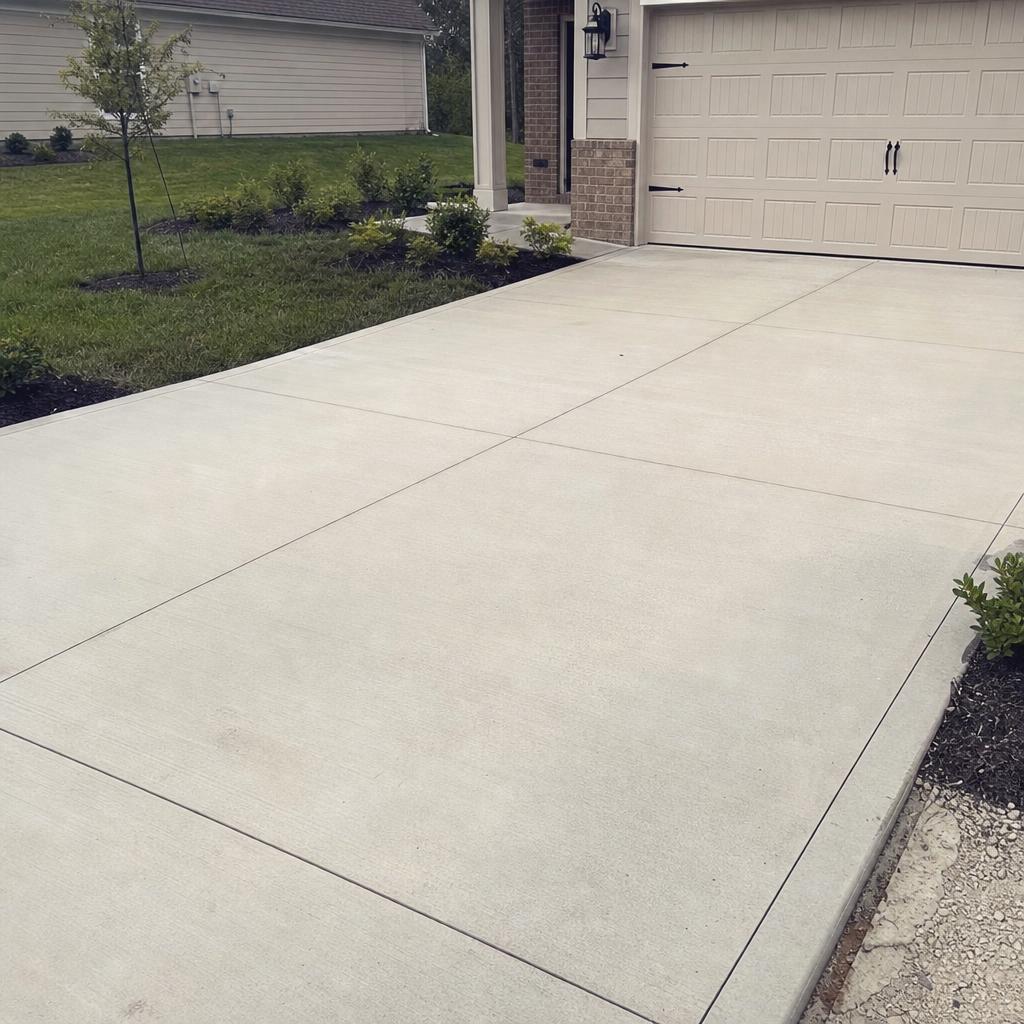
The Standard Timeline for New Concrete
Every concrete pour follows roughly the same schedule as it gains strength. Here is the timeline we give homeowners for a standard residential concrete driveway or slab.
| When | What You Can Do |
|---|---|
| 24 to 48 hours | Walk on it carefully. Keep pets, bikes, and toys off. |
| 7 days | Drive and park a normal car or light truck. |
| 28 days | Full loads. RVs, dumpsters, loaded trucks, and heavy equipment. |
At 7 days, properly mixed concrete has reached roughly 70 percent of its designed strength, which is enough for everyday vehicles. It keeps gaining strength after that and is considered fully cured at 28 days. When in doubt, waiting a little longer never hurts a slab. Rushing it can. Want us to walk you through the timeline for your specific pour? Call (510) 822-7170.
Planning a concrete project in Alameda or the East Bay? Get a free, no-obligation on-site estimate and a written flat-rate price.
Why Concrete Keeps Curing All the Way to 28 Days
People say concrete needs to ‘dry,’ but that is not really what is happening. Concrete does not harden by drying out. It hardens through a chemical reaction called hydration, where water and cement bond and form crystals that lock the mix together and grow stronger over time. That reaction needs moisture to keep going, which is why the surface can feel hard to the touch within a day while the slab underneath is still gaining real strength for weeks.
The 28-day mark is the industry standard because that is roughly when a typical mix reaches its full designed strength. A slab poured with a 4,000 PSI mix, which is what we use for driveways and structural work, is engineered to hit that 4,000 PSI figure at 28 days. It has most of its strength well before then, but the last stretch of curing is what gives the concrete its full durability and crack resistance. That is why we ask homeowners to be patient with heavy loads even when the slab looks completely finished.
What Changes the Timeline
The 7-day and 28-day guidelines are conservative averages. Several factors push the real timeline earlier or later, and a few of them are specific to living near the bay.
Temperature and our mild marine climate
Hydration runs faster in warm weather and slower in cool weather. The East Bay's mild, marine-influenced climate is generally kind to concrete, but our cooler coastal temperatures, especially the fog and chilly mornings closer to the shoreline, can slow early strength gain compared to a hot inland valley. On a cool, overcast week in Alameda or along the estuary, a slab may need the full window rather than the early end of it.
Humidity and fog
Moisture in the air actually helps concrete cure, because the reaction wants to stay damp. Our coastal humidity and marine layer work in concrete's favor here. Dry, windy conditions on inland and hill lots do the opposite and pull moisture out of the surface too fast, which is why curing care matters more on those days.
Concrete mix and PSI
A higher-strength mix can change how quickly a slab is ready. Our standard 4,000 PSI driveway mix is designed for durability on East Bay soils, not for the fastest possible cure, so we plan the schedule around real strength rather than how the surface looks.
Slab thickness
A four-inch residential driveway follows the standard timeline. A thicker five or six inch slab built for heavier vehicles is worth treating with extra patience before you load it up.
Weather during the pour
Rain, a sudden cold snap, or strong sun in the first day or two all affect the surface and the cure. A good crew plans the pour around the forecast and protects the slab if the weather turns.
How to Care for a Fresh Slab
What you do in the first week or two has a real effect on how strong and crack-free your concrete ends up. The goal is simple: keep the reaction going and keep weight off. Here is how to care for a fresh concrete slab or driveway.
- Keep it moist-cured. Concrete wants to stay damp while it cures. Depending on the pour and the weather, that can mean light misting, a curing compound, or covering the slab. Follow the specific instructions your crew gives you, because moist curing in the first several days is one of the biggest factors in final strength.
- Keep it clean and clear. No foot traffic for the first day or two, and keep pets, kids, bikes, furniture, and dropped tools off the surface while it is green. Early marks and gouges are permanent.
- No parking or heavy loads early. Even if the surface feels rock hard, hold to the 7-day rule for cars and the 28-day rule for anything heavy. This is the single most common mistake we see homeowners make.
- Watch your sprinklers and runoff. A little moisture helps, but you do not want sprinklers blasting one section of a fresh slab or pooling water sitting on it. Aim sprinkler heads away and keep heavy runoff off the new pour.
None of this is complicated. A few days of patience protects a driveway that should last decades.
Why Rushing It Causes Cracks and Surface Damage
Loading concrete before it is ready is one of the surest ways to damage a brand new slab. Put a car on a driveway too early and the still-curing concrete can crack under the weight, because it simply has not reached the strength to carry that load yet. Let the surface dry out too fast in the first days and you invite shrinkage cracking and a weak, dusty, flaky finish that never fully hardens the way it should.
The frustrating part is that this damage is avoidable, and it often gets blamed on the concrete when the real cause was rushing. Proper curing works hand in hand with the things that make a slab last: a compacted sub-base, correct slab thickness, rebar and fiber mesh for reinforcement, and well-placed control joints that give the concrete a planned spot to move as it shrinks. Skip the curing time and you undercut all of that engineering.
For a deeper look at what makes East Bay concrete crack and how to prevent it, see our guide on why concrete cracks in the East Bay. And if you already have a slab that cracked or spalled from being loaded too soon, our concrete repair and resurfacing service can often restore it.
The Bottom Line for East Bay Homeowners
Walk on new concrete after a day or two, drive a normal car on it at 7 days, and wait the full 28 days before heavy vehicles or a dumpster. Keep the slab moist-cured, clean, and load-free while it works, and remember that our cooler coastal temperatures can slow early strength gain, so err on the side of patience near the shoreline.
Alameda Elite Concrete Solutions pours and cures every driveway and slab to hit its full designed strength, and we tell you exactly when your surface is ready to use. For a free on-site estimate or a question about a fresh pour, call (510) 822-7170, Monday through Sunday, 7am to 6pm, or reach us through our contact page.
Questions, Answered
Can I drive on new concrete after 3 days?
It is best to wait a full 7 days before driving or parking a normal car on new concrete. At 3 days the slab has gained a lot of strength but not enough to safely carry a vehicle without risking cracks. Cooler East Bay coastal temperatures can slow early strength gain, so hold to the 7-day guideline unless your contractor tells you otherwise.
How long before I can park an RV or heavy truck on new concrete?
Wait a full 28 days before putting heavy loads like an RV, a loaded work truck, a dumpster, or heavy equipment on new concrete. That is when a standard 4,000 PSI mix reaches its full designed strength. The surface will feel hard long before then, but the slab needs the complete cure to carry heavy weight without damage.
Does concrete cure slower in the East Bay's cool coastal weather?
It can. Concrete hardens through hydration, a reaction that runs faster in warm weather and slower in cool weather. Our mild marine climate and coastal fog are generally kind to curing, but chilly, overcast conditions near the shoreline can slow early strength gain, so a slab may need the full timeline rather than the early end. The upside is that our humidity and marine layer help keep concrete moist while it cures.
Need Help in Alameda?
Alameda Elite Concrete Solutions provides fast, same-day concrete across Alameda, CA and the surrounding area — flat-rate pricing, licensed and insured, with 24/7 emergency service. Landed on this article from a search? Head back to our homepage to see everything we do, or reach out now.