
Concrete Driveway Cost in Alameda & the East Bay (2026)
A concrete driveway is one of the best-value upgrades you can make to an East Bay home — it lasts decades, boosts curb appeal, and handles daily loads better than almost any alternative. But ‘how much does it cost?’ has a wide answer here, because Alameda's soil, permits, and labor all push driveway pricing above what national calculators show.
This guide breaks down exactly what drives the price, gives you a 2026 cost table, and covers the Alameda permit rule most homeowners don't know about. For a firm number on your specific driveway, call (510) 822-7170 or learn more about our concrete driveway installation service.
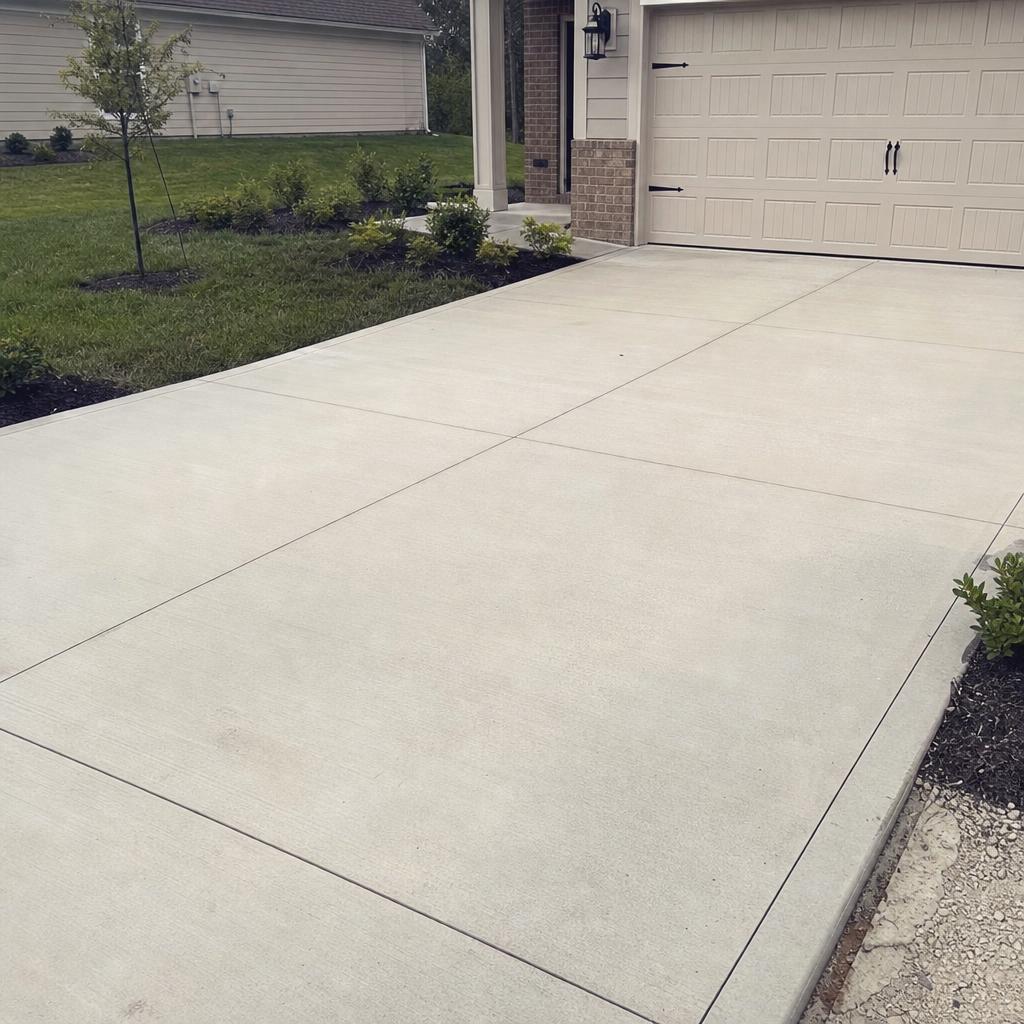
What a Concrete Driveway Costs in 2026
A standard 2-car concrete driveway typically runs $9,000 to $18,000 installed in the East Bay. Where your project lands in that range depends on the factors below, but here is a rough breakdown by driveway size and finish.
| Driveway | Approx. Size | Estimated Total (installed) |
|---|---|---|
| 1-car / short | 200–350 sq ft | $5,000–$10,000 |
| Standard 2-car | 400–600 sq ft | $9,000–$18,000 |
| Large / long or wide | 600–900 sq ft | $15,000–$28,000 |
| Stamped / decorative upgrade | Any size | Add $6–$12 per sq ft |
These are estimates to help you plan. Bay Area labor and permit costs run above national averages, so budget toward the middle or upper part of each range unless your lot is unusually simple. Your exact flat-rate price comes from a free on-site estimate — call (510) 822-7170.
Planning a concrete project in Alameda or the East Bay? Get a free, no-obligation on-site estimate and a written flat-rate price.
Cost Factors That Move the Price
Six things determine where your driveway lands in the range above.
Size
The most obvious factor. More square footage means more concrete, more reinforcement, and more finishing labor. Width matters as much as length — a driveway sized for two cars side by side costs meaningfully more than a single-width strip.
Thickness
A residential driveway is typically four inches thick, but if you park heavy vehicles, an RV, or a work truck, you'll want a thicker slab — often five or six inches — which uses more material and reinforcement.
Tear-Out & Removal
Removing an old driveway adds cost. Breaking up, hauling, and disposing of existing concrete or asphalt is real labor, and the more there is (or the thicker it is), the more it adds.
Base Engineering for Bay Fill & Clay
This is the East Bay difference. On the flats and shoreline — Alameda Island, the estuary, and the San Leandro and San Lorenzo shoreline — driveways sit on Bay fill and Young Bay Mud that can settle and liquefy, so a properly compacted sub-base is essential. In the Oakland and Berkeley hills, expansive adobe clay swells and shrinks seasonally and will crack an under-built slab. Correct base prep is not optional here — it is what makes the driveway last. Budget crews are tempted to skip compaction and reinforcement to hit a lower bid, but on East Bay soil that's exactly how a driveway ends up cracked and settling within a few years. Paying for a proper base up front is the cheapest driveway you'll ever own over its full lifespan.
Reinforcement
Because the Hayward Fault runs the length of the East Bay, we reinforce driveways with rebar and fiber mesh in a 4,000 PSI mix, with control joints cut to direct where the concrete moves. This adds cost over a bare pour and is worth every dollar locally.
Finish
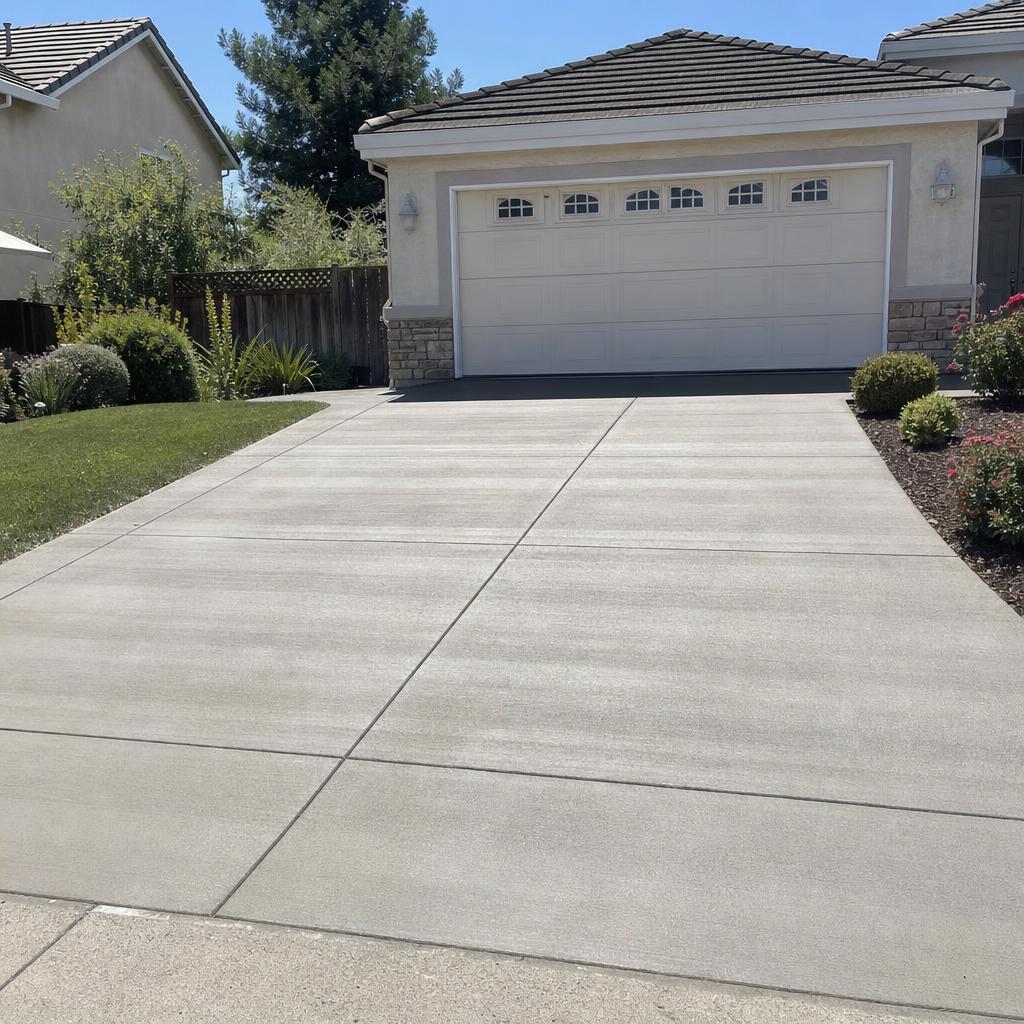
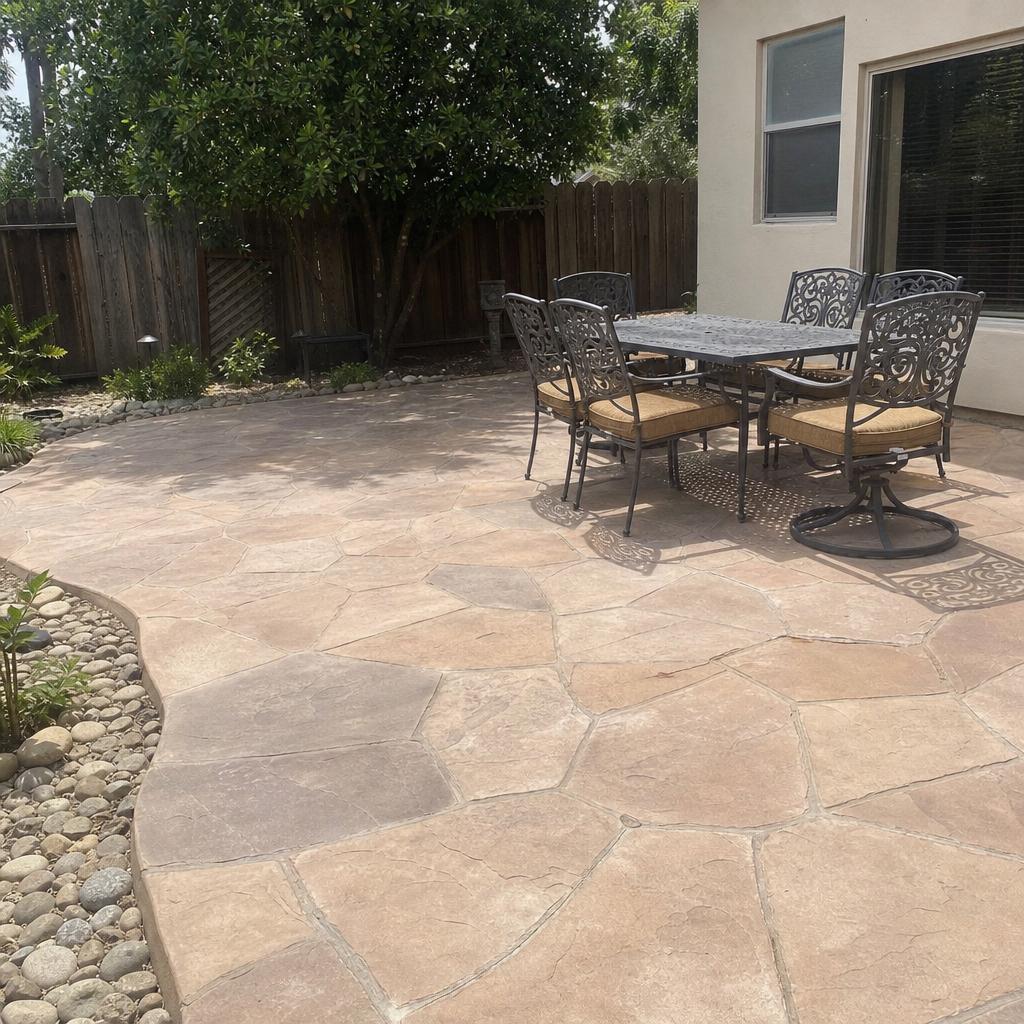
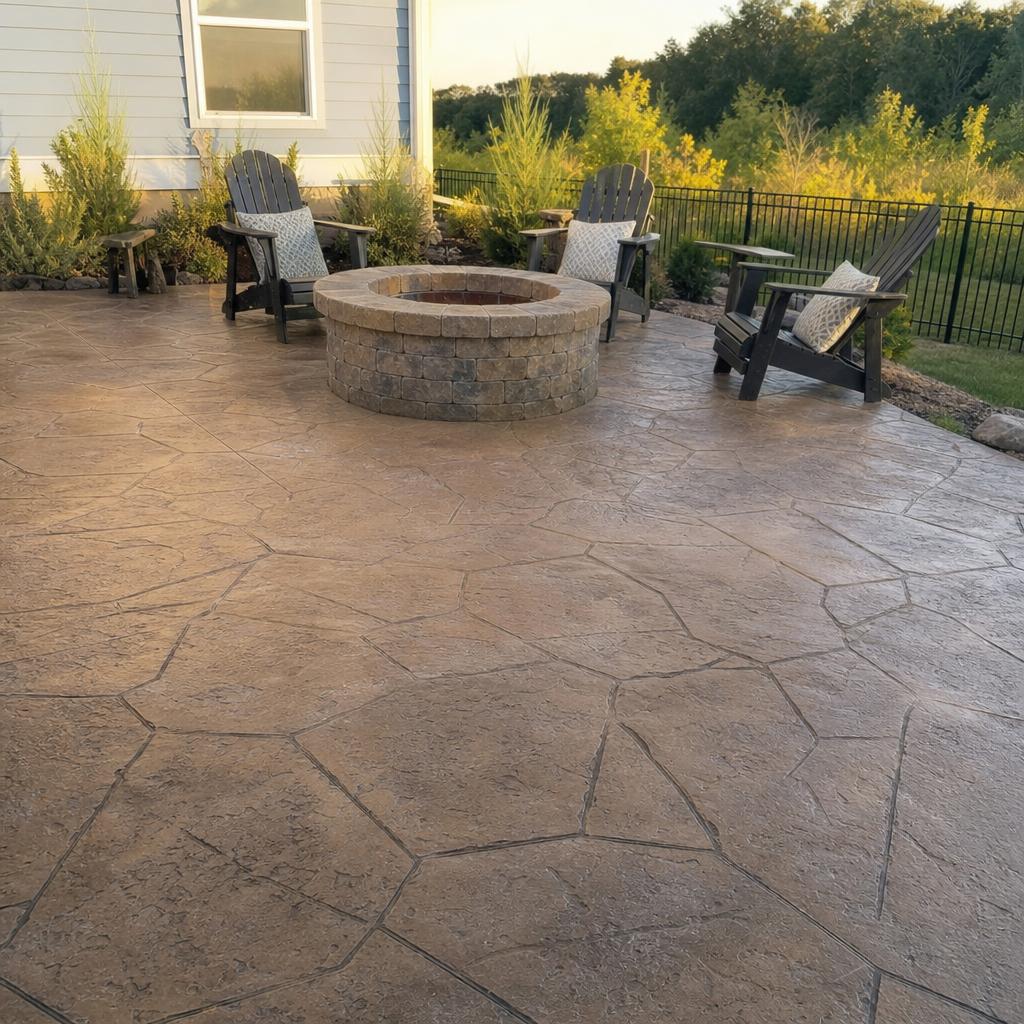
A broom finish is the value choice and provides good grip. Upgrading to exposed aggregate, colored, or stamped concrete adds per-square-foot cost but transforms the look. Explore stamped concrete if you want a stone or brick appearance.
Do You Need a Permit? (Alameda's Rule)
Yes — in the City of Alameda, a concrete permit is required for a new or removed driveway. This catches a lot of homeowners off guard, but it protects you: permitted work is inspected, documented, and won't create problems at resale.
Across the East Bay, incorporated cities like Oakland, Berkeley, and Hayward permit through their own building departments, while unincorporated Castro Valley and San Lorenzo permit through Alameda County Public Works. Driveway work that changes the curb, sidewalk, or street drainage may also involve an encroachment permit. It's a lot to track — which is why we handle permitting for you as part of the job, identifying and pulling whatever your address requires.
Have a permit question about your street? Call (510) 822-7170 and we'll sort it out.
Lifespan & Maintenance
Done right, a concrete driveway lasts 30 years or more — far longer than asphalt — and asks very little of you in return. The East Bay's mild, freeze-thaw-free climate is kind to concrete; the real local stressors are coastal salt air and moisture on the flats and sun and wind on inland and hill lots.
To get the full lifespan:
- Seal it. A quality sealer every few years protects against salt-air moisture and staining — especially valuable near the shoreline.
- Keep joints clear. Control and expansion joints are there to let the slab move; keep them free of debris so they can do their job.
- Address cracks early. Small cracks are normal and easily repaired; ignored, they let water reach the base. See our concrete repair & resurfacing service.
- Rinse off salt and stains. An occasional rinse keeps the surface clean and the sealer working.
A concrete driveway is a long-term investment, and a properly engineered, permitted, and sealed one pays that investment back for decades.
Concrete vs. Asphalt and Pavers for East Bay Driveways
Concrete isn't the only driveway material, but for most East Bay homes it's the best balance of cost, lifespan, and low maintenance. Here's how it stacks up against the common alternatives.
| Material | Typical Lifespan | Maintenance | Notes |
|---|---|---|---|
| Concrete | 30+ years | Seal every few years | Durable, versatile finishes, higher up-front cost |
| Asphalt | 15–20 years | Reseal every 3–5 years | Cheaper up front, softens in summer heat |
| Pavers | 25+ years | Re-level and weed joints | Attractive, but priciest and labor-intensive |
Asphalt costs less to install but needs frequent resealing and doesn't handle our warm inland summers as gracefully. Pavers look beautiful but cost the most and can shift and settle on Bay fill and clay, needing periodic re-leveling. Concrete's long lifespan and range of decorative finishes — from broom to stamped — make it the practical choice for most driveways here. When you're ready for a firm flat-rate price, reach Alameda Elite Concrete Solutions at (510) 822-7170, Monday through Sunday, 7am to 6pm.
Related Reading
Comparing driveway materials? See concrete vs. asphalt driveways.
Questions, Answered
How much does a 2-car concrete driveway cost in Alameda?
A standard 2-car concrete driveway typically runs $9,000 to $18,000 installed in Alameda and the East Bay. Size, thickness, tear-out of an old driveway, base prep for local soil, reinforcement, and finish all affect where you land. Bay Area labor and permits run above national averages. A free on-site estimate gives you the exact flat-rate price.
Do I need a permit for a new driveway in Alameda?
Yes. The City of Alameda requires a concrete permit for a new or removed driveway. Other East Bay cities permit through their own building departments, while unincorporated Castro Valley and San Lorenzo permit through Alameda County Public Works. We handle identifying and pulling the correct permit as part of the job.
How long does a concrete driveway last in the East Bay?
A properly built and reinforced concrete driveway lasts 30 years or more here. The East Bay's freeze-thaw-free climate is easy on concrete; the main stressors are coastal salt air and sun. Sealing every few years, keeping joints clear, and repairing small cracks early will help you get the full lifespan.
Is concrete better than asphalt for a Bay Area driveway?
For most East Bay homes, yes. Concrete lasts far longer than asphalt, needs less frequent maintenance, and handles daily loads and our mild climate well. Asphalt is cheaper up front but softens in summer heat and needs periodic resealing. Concrete's longer lifespan usually makes it the better long-term value.
Need Help in Alameda?
Alameda Elite Concrete Solutions provides fast, same-day concrete across Alameda, CA and the surrounding area — flat-rate pricing, licensed and insured, with 24/7 emergency service. Landed on this article from a search? Head back to our homepage to see everything we do, or reach out now.